How Long Does Exterior Paint Last in Miami’s Sun, Salt, and Humidity? A Guide to Exterior Painting in Miami, FL
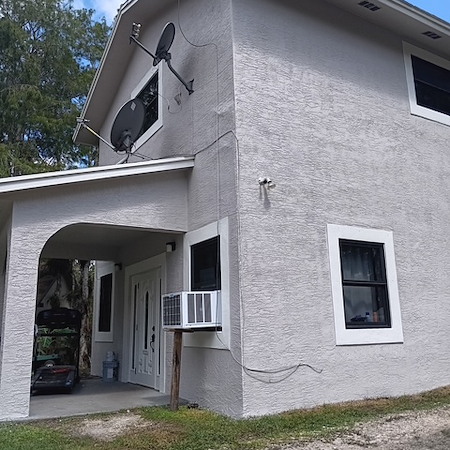
Wondering how long your exterior paint will hold up in Miami, FL? The short answer is that it depends on the surface, the product, and the exposure. In our climate, intense UV, salty breezes, and tropical downpours work together to break paint down faster than in inland cities. If you want longer-lasting curb appeal and reliable protection, start with professional prep and high-grade coatings from a trusted team. When you are ready, explore our exterior painting service to see how Chuck's Painting, Inc. builds a finish that stands up to Miami weather.
What Affects Exterior Paint Lifespan in Miami, FL
Exterior paint fails for predictable reasons here. The strongest forces are sunlight, moisture, and salt. South and east facing walls in neighborhoods like Miami Beach, Key Biscayne, and Edgewater take heavy UV and sea spray. Shaded zones in Coconut Grove or Coral Gables trap humidity that can feed mildew. Add daily summer storms and the wear accelerates.
Quality matters too. Premium acrylic latex or elastomeric systems resist fading and hairline cracking better than bargain coatings. So does the process. Thorough washing, sanding, spot-priming, and tight caulking help paint lock in and flex with stucco or wood as temperatures swing.
Realistic Lifespans By Surface And Exposure
Stucco and Masonry
Stucco is common across Miami. On well-prepped stucco with premium acrylic, many homes see about 6 to 8 years before a full repaint. Direct ocean exposure may shorten that window, while sheltered inland homes can stretch it a bit longer with steady maintenance.
Wood Siding and Trim
Wood expands and contracts more, and joints take on water. In Miami’s humidity, trim often needs attention first. Expect around 3 to 5 years for trim repaint cycles, especially near rooflines, windows, and fences where sun and rain meet.
Fiber Cement and Metal
Fiber cement holds paint well when edges and fasteners are sealed. With high-grade coatings, 7 to 10 years is common on protected elevations. Metal features like railings or gates benefit from rust-inhibitive primers and usually track on a 4 to 6 year plan depending on salt exposure.
Best Exterior Paint And Prep For Miami’s Humidity
Products built for coastal climates make a clear difference. Look for UV resistance, strong color retention, and breathable films that let stucco release moisture without blistering. Equally important is the foundation the paint sits on.
- Use high-quality 100 percent acrylic latex designed for coastal climates. These formulas flex and resist chalking and fading.
- Never skip primer on patched or chalky surfaces. Bonding and masonry primers help topcoats grip and cure evenly.
- Seal gaps with elastomeric or high-performance urethane caulk. Tight seams keep out wind-driven rain and salty air.
- Choose satin or low-sheen finishes on stucco to hide minor texture and shed moisture.
Pro prep also means washing the substrate to remove salt, pollen, and mildew. On many Miami homes, a controlled wash before light repairs and priming gives the topcoat a clean slate to bond with. If you want a deeper look at the process, our team outlines surface protection and coating choices inside our exterior painting service overview.
Seasonal Maintenance Schedule That Extends Paint Life
Even the best coating needs basic care under coastal conditions. A simple, consistent schedule gives you the longest return on your repaint.
- Schedule yearly wash and inspection to catch issues early. Removing salt and mildew helps paint breathe and keeps color bright.
- Have a pro refresh caulk and sealant at windows, doors, and trim each year.
- Trim back vegetation that shades walls and traps moisture, especially in lush areas like Palmetto Bay and Pinecrest.
- After big storms, check fascia, soffits, and railings for chips where metal fasteners can rust.
Homeowners in Brickell and Downtown often face relentless sun, while inland neighborhoods like Doral and Kendall see dust and summer heat. Adjust inspections by elevation: sunny and ocean-facing sides first, shaded and windward sides next.
Signs It Is Time To Repaint
Watch for small clues before you see big failures. Early action keeps water out of the envelope and protects stucco or wood from more costly repairs.
- Color looks dull or chalky when you rub the wall with a dry cloth
- Hairline cracks or small flakes along south and east exposures
- Open seams at trim or window edges where caulk pulled away
- Black or green mildew that returns quickly after cleaning
- Rust streaks on metal rails or fasteners
If two or more of these show up at once, it is likely time to schedule a repaint on at least the affected elevations. Miami’s climate rarely forgives deferred exterior care, so tackling issues promptly preserves both looks and protection.
How Coastal Microclimates Around Miami Change The Timeline
Not every home weathers the same. Homes within a few blocks of the water in Miami Beach or Key Biscayne see frequent salt spray and stronger winds. That usually means shorter cycles for trim and railings. Inland properties in Coral Gables and Westchester may stretch a couple more years if walls drain well and landscaping allows air to move. Shaded lots in The Roads or Coconut Grove can battle mildew even more than sun, so low-sheen finishes with mildewcides help keep surfaces cleaner between washes.
High-rise exposures are different again. Upper floors in Edgewater or Brickell face stronger UV and wind. Paint systems with added flexibility and harder finishes keep color from washing out and reduce scuffing on balcony rails.
Pro Application Matters: Why Homeowners Choose Chuck's Painting, Inc.
Durable results are the product of method and materials working together. A professional crew sequences tasks to lock in adhesion before humidity rises, monitors dew points, and allows proper cure time between coats. That is the difference between a finish that fades out early and one that holds its color and shields your home season after season.
Choosing a local team pays off. We plan around Miami’s rainy afternoons, aim for morning prep and mid-day coatings when the surface is right, and stage equipment so traffic and landscaping are protected. If you are researching exterior painting in Miami, FL and want a finish that looks good longer, Chuck's Painting, Inc. can help you build the right system for your home’s surface and exposure.
Color Selection And Gloss: Small Choices, Big Lifespan
Light, reflective colors stay cooler and fade more slowly under Miami sun. Whites, creams, and pale grays on stucco homes in areas like Little Havana and Shenandoah often outlast deep, saturated tones on the same wall. For trim, semi-gloss makes cleaning easier and seals edges better than flat. On stucco fields, a low-sheen finish gives a clean look while reducing the appearance of hairline texture.
Always review samples on the actual wall that faces the toughest exposure. Sun can make a color read warmer and brighter outdoors than it does on a card inside. A test area shows how the surface and light will affect the final look.
Protection Beyond Paint: Caulk, Sealers, And Joints
Paint is only as strong as the envelope below it. Quality caulk and sealers act like weatherstripping for your paint film. Window sills, door casings, and horizontal trim lines are the first places water tries to get in. Regularly renewing those seals gives paint a chance to do its job. In coastal pockets, a clear sealer on porous masonry caps can shed water and reduce efflorescence streaks that stain light colors.
Why Timelines Vary Home To Home
Two homes on the same block can age differently. Orientation, roof overhangs, nearby trees, and even pool chemicals drifting on the breeze can speed up chalking or mildew. That is why on-site evaluation is key. A short walkaround tells us where the next failure may show up and how to prevent it. Pair that with the right coating and you get the most mileage from each repaint cycle.
Your Next Step To A Longer-Lasting Finish
If you want a realistic plan for your home, schedule a visit and we will map your repaint cycle by elevation. We can also show sample sections so you see real color and sheen in Miami light. To learn more about process and products, browse our page on professional exterior painting and then connect with Chuck's Painting, Inc. to set a start date that works for your family.
Ready to protect your home’s exterior the right way? Call 954-923-8409 to talk with a project manager, choose a coating built for coastal weather, and reserve your preferred week. Our team will handle the scheduling and surface prep so your home looks fresh and stays protected through Miami’s next sunny season.

Refresh Your Color With Our Fort Lauderdale Painting Company Today
Contact Us Today!