Paver Sealing in South Florida: How Often, What It Protects Against, and What to Avoid
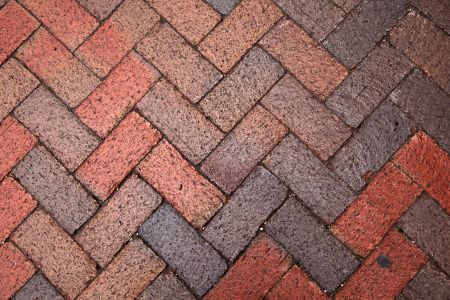
If you live in Sunrise, FL or nearby Broward neighborhoods, your pavers work hard. Sun, sudden downpours, pool water, and car traffic can fade color, loosen sand, and stain the surface. That is why our paver sealing service is a smart part of routine exterior maintenance for patios, driveways, walkways, and pool decks.
In this guide, Chuck's Painting, Inc. explains how often to reseal, what sealing actually protects against, and what to avoid so your hardscape stays beautiful longer. For an overview of our exterior expertise, you can also explore paver sealing in Sunrise, FL from our home base.
How Often Should You Seal Pavers in South Florida
In our climate, plan to reseal most paver surfaces on a simple rhythm: every 2 to 3 years for typical driveways and pool decks, and closer to 2 years for areas that bake in all‑day sun or get heavy car traffic. Shaded patios and low‑traffic walkways may go longer between coats, but the right timing depends on exposure, use, and previous products.
Look at your real‑world conditions around Sunrise Golf Village, Welleby, or the Sawgrass Mills area. Pool decks take on splash‑out and chemicals. Driveways near landscaped beds collect tannins and dirt. Each factor can shorten a sealer’s lifespan.
- High UV and heat: speeds up wear on the protective film.
- Heavy rain and runoff: can loosen joint sand if unsealed.
- Pool water and salts: add chemical stress around decks and patios.
- Vehicle oils and tires: stain and scuff driveways without protection.
Pro tip: If water no longer beads on the surface, color looks chalky, or stains linger after cleaning, it is time to reseal.
What Paver Sealing Protects Against in Sunrise and Broward
Quality sealing forms a breathable shield that helps block water, oils, and grime while stabilizing joint sand. Done right, it preserves the look you paid for and reduces deep cleaning needs between professional maintenance visits.
- Moisture intrusion that leads to mildew and algae on shaded areas.
- UV fading that washes out brick or stone tones.
- Oil, rust, and leaf tannin stains that penetrate unprotected pavers.
- Sand wash‑out, weed growth, and ant burrowing in joints.
Around Sunrise, FL, pool chemicals and sprinkler overspray can leave mineral or iron marks. Sealing makes it harder for those stains to stick, and it makes routine rinsing more effective.
Color Enhancement and Finish Choices
Sealers can be almost invisible or they can deepen the natural color for a bold, refreshed look. Homeowners often compare a natural matte finish to a richer “wet look.” Both protect, but they serve different styles and maintenance goals.
A natural finish keeps a low‑sheen, slip‑aware appearance, which is helpful on pool decks and shaded walkways. A wet‑look or satin finish increases color pop on clay, brick, and darker concrete blends. Ask us how color enhancement pairs with your paver type and location so the final result fits your home’s architecture.
Good to know: Not all sealers are compatible with previous coatings. We assess what is on your surface now before recommending a product, which helps avoid whitening, hazing, or peeling later.
Sand Stabilization That Stands Up to South Florida Weather
Joint stability is a big deal in Broward’s summer rains. Sealing helps lock in joint sand so it resists wash‑outs during downpours and holds firm against wind‑blown debris. That stability also slows weed sprouting and ant mounding, especially on slopes or near gutter outlets.
When we talk about “sand stabilization,” we mean the way certain sealers bind the joint material so it becomes more resistant to erosion. The benefit is simple: fewer open joints, less wobble underfoot, and cleaner edges where your patio meets landscaping.
Signs It Is Time to Reseal
Products do not last forever in our heat and humidity. A quick check can tell you what your pavers need.
- Water test: if puddles darken and absorb quickly rather than bead, protection is fading.
- Color test: if tones look dull or chalky even after professional cleaning, film protection is thin.
- Joint check: sand level is low, or weeds and ants are returning between stones.
- Surface feel: the paver feels porous and stains are harder to remove than before.
Homeowner tip: Schedule maintenance before the next rainy stretch so the new coat cures with the least weather risk.
What To Avoid With Paver Sealer
Most failures come from rushed prep or using the wrong product for the site. Skipping steps can trap moisture, haze the surface, or shorten the paver sealer lifespan.
- Do not seal over damp pavers or joints that have not fully dried after cleaning.
- Do not apply too much sealer. Over‑application can turn milky or become slick.
- Do not mix or layer incompatible products. Some solvent and water‑based formulas do not play well together.
- Avoid high‑pressure blasts that gouge the surface or blow out joints. Use professional prep methods that protect the paver face.
Bottom line: The right prep, product, and application make all the difference in performance and appearance.
Best Timing Around Sunrise, FL
In neighborhoods like New River Estates and Sunrise Golf Village, we look at shade patterns, nearby irrigation, and pool use to time projects. Cooler mornings and lower humidity days improve curing, and traffic plans matter too. Driveways near Sawgrass Expressway commuters may need staged access so cars are not on the surface too soon.
Pool decks near screen enclosures or heavy tree cover can gather extra debris. Planning cleaning and sealing around leaf drop or landscaping work helps your finish stay cleaner, longer.
Preparation Sets Up The Longest‑Lasting Results
Effective sealing starts with meticulous cleaning. Professional surface prep safely removes grime, algae, and residues so the sealer can bond. If your pavers need a refresh first, learn how our pressure washing service prepares surfaces for durable results without damaging joints or the paver face.
Once the surface is clean and dry, we check for problem spots like rust, efflorescence, or old incompatible coatings. Addressing these early can prevent cloudy patches and keep the finish consistent across sun‑exposed and shaded areas.
Enhance Curb Appeal With Complementary Upgrades
Freshly sealed pavers make paint colors look cleaner and brighter. If you are planning a larger refresh, consider pairing this work with exterior painting so trim, doors, and stucco look as renewed as the hardscape. Coordinating schedules keeps your project efficient and helps protect surfaces in the right order.
Local Examples Homeowners Care About
Driveways near the Sawgrass Mills area face constant sun and tire scuffs, so color enhancement can keep blends looking bold between maintenance visits. Pool decks in Welleby often benefit from a natural, low‑sheen finish that balances slip awareness and easy rinsing. Along tree‑lined streets, sealing helps resist tannin stains from leaves that collect after summer storms.
Whether your pavers are clay, brick, or concrete, sealing protects the surface while helping joint lines stay crisp. That adds daily enjoyment and long‑term value when it is time to sell.
Ready When You Are
If your patio, pool deck, or driveway shows any of the signs above, it is the right moment to talk with Chuck's Painting, Inc. about professional paver sealing. We will evaluate exposure, traffic, and finish goals, then recommend a plan that fits your home and the South Florida climate.
Call us at 954-923-8409 to schedule a visit. Or start planning your project with Chuck's Painting, Inc. today and protect your hardscape for the seasons ahead.

Refresh Your Color With Our Fort Lauderdale Painting Company Today
Contact Us Today!